
US and Nigerian forces kill ISIS second‑in‑command Abu‑Bilal al‑Minuki in Nigeria
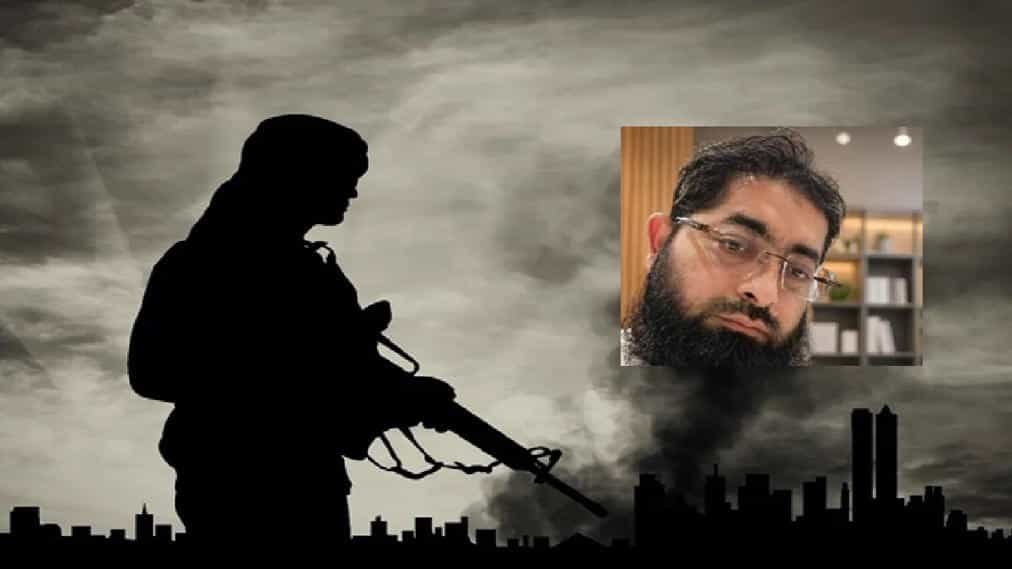
US President Donald Trump has announced that Abu‑Bilal al‑Minuki, described as the global second‑in‑command of ISIS, has been eliminated by joint American and Nigerian forces in an operation inside Nigeria. The strike took place late Friday into Saturday, according to Trump’s social‑media post and official statements from Washington.
The operation was framed by the White House as a targeted counter‑terror mission against a high‑level planner who had been shifting the group’s nerve center from the Middle East to Africa. The move follows a years‑long pattern of US special‑operations raids aimed at decapitating extremist leadership rather than launching large‑scale wars.
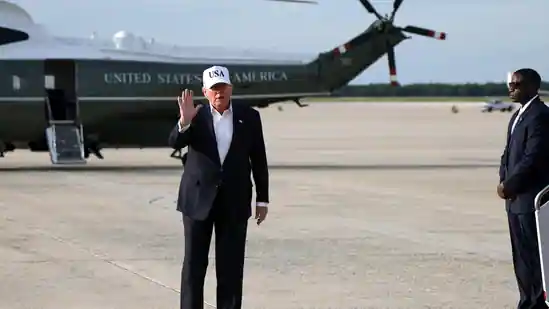
Trump described the operation as “meticulously planned and very complex,” carried out “at my direction” by “brave American forces and the Armed Forces of Nigeria.” He said al‑Minuki, branded “the most active terrorist in the world,” had been monitored by intelligence sources who tracked his movements in Africa.
The US president claimed that the elimination would “greatly diminish” ISIS’s global operational capacity. “He will no longer terrorize the people of Africa, or help plan operations to target Americans,” Trump wrote, thanking the Nigerian government for its partnership in the raid.
US officials have not disclosed the exact location, date, or tactical details of the strike, citing operational security. However, preliminary reports from multiple outlets suggest Nigerian security forces provided local intelligence and ground support to US special‑operations units, echoing previous joint counter‑terror efforts in the Sahel region.
Analysts warn that while taking out a top ISIS commander is a symbolic and tactical win, the network has repeatedly shown the ability to regenerate leadership. The group’s affiliates in West Africa, including in Nigeria and the Lake Chad area, have already been blamed for dozens of attacks in recent years, and security experts say the structural threat will not vanish overnight.
Nor has the strike defused diplomatic friction. Nigeria’s government has previously pushed back against US saber‑rattling over alleged attacks on Christians, and regional leaders have long been wary of foreign military footprints on their soil. The latest joint operation may ease tensions in the short term, but it also raises questions about how far the Trump administration is willing to extend US counter‑terrorism missions into Africa.
Read Also | US Navy Raid Near Hormuz Backfires: Marines Board Ship, Then Retreat After False Alarm
What This Really Means For You
If you are an ordinary traveller, worker, or business owner, this strike does not directly change your visa rules or flight routes, but it reshapes the risk map for travel and investment in parts of Africa. Many financial and security advisories now flag West and Central Africa as “high‑risk,” and the removal of a key ISIS planner could slowly nudge insurance costs and corporate risk assessments in those regions.
For Indians or others working with global companies, it could mean more cautious security protocols for overseas postings, especially in regions where extremist groups have recruiting networks. That might translate into longer clearances, stricter convoy rules, or shifts in where firms are willing to open new offices. On the other hand, if the campaign weakens ISIS’s reach, long‑term travel and business costs tied to security could come down after several years.
The Bottom Line
The death of Abu‑Bilal al‑Minuki is a high‑profile blow to ISIS’s global command chain, but it is not the end of the story. Expect more raids, more intelligence‑driven hits, and more pressure on African governments to police home‑grown extremist cells.
For the average person, that means a world that stays on high alert — but slightly less likely, in the long run, to see big‑name ISIS attacks from the top tier of its leadership.
Frequently Asked Questions
Q: Where exactly was Abu‑Bilal al‑Minuki killed?
A: US and Nigerian forces carried out the operation in Nigeria, but the precise location has not been disclosed by the US administration for security reasons.
Q: Why was al‑Minuki important to ISIS?
A: He was described as the group’s global second‑in‑command, deeply involved in planning and coordinating operations across multiple regions, including Africa.
Q: Does this mean ISIS is finished now?
A: No. While losing a top commander weakens the group’s leadership, experts say ISIS has repeatedly rebuilt its ranks and shifted its network to new regions.
References
Hindustan Times — Abu‑Bilal al‑Minuki, second in command of ISIS globally, eliminated by US forces, says Trump — https://www.hindustantimes.com/world-news/abubilal-al-minuki-second-in-command-of-isis-globally-eliminated-by-us-forces-says-trump-101778902752795.html

Sandeep Raiza — Content Writer, Website Designer, SEO Strategist, and WordPress Expert AI specialist delivering impactful digital solutions that drive business growth.Combining creative storytelling with technical expertise.